About Cappadocia

Discover the Magic of Turkey's Most Enchanting Region

Welcome to Cappadocia

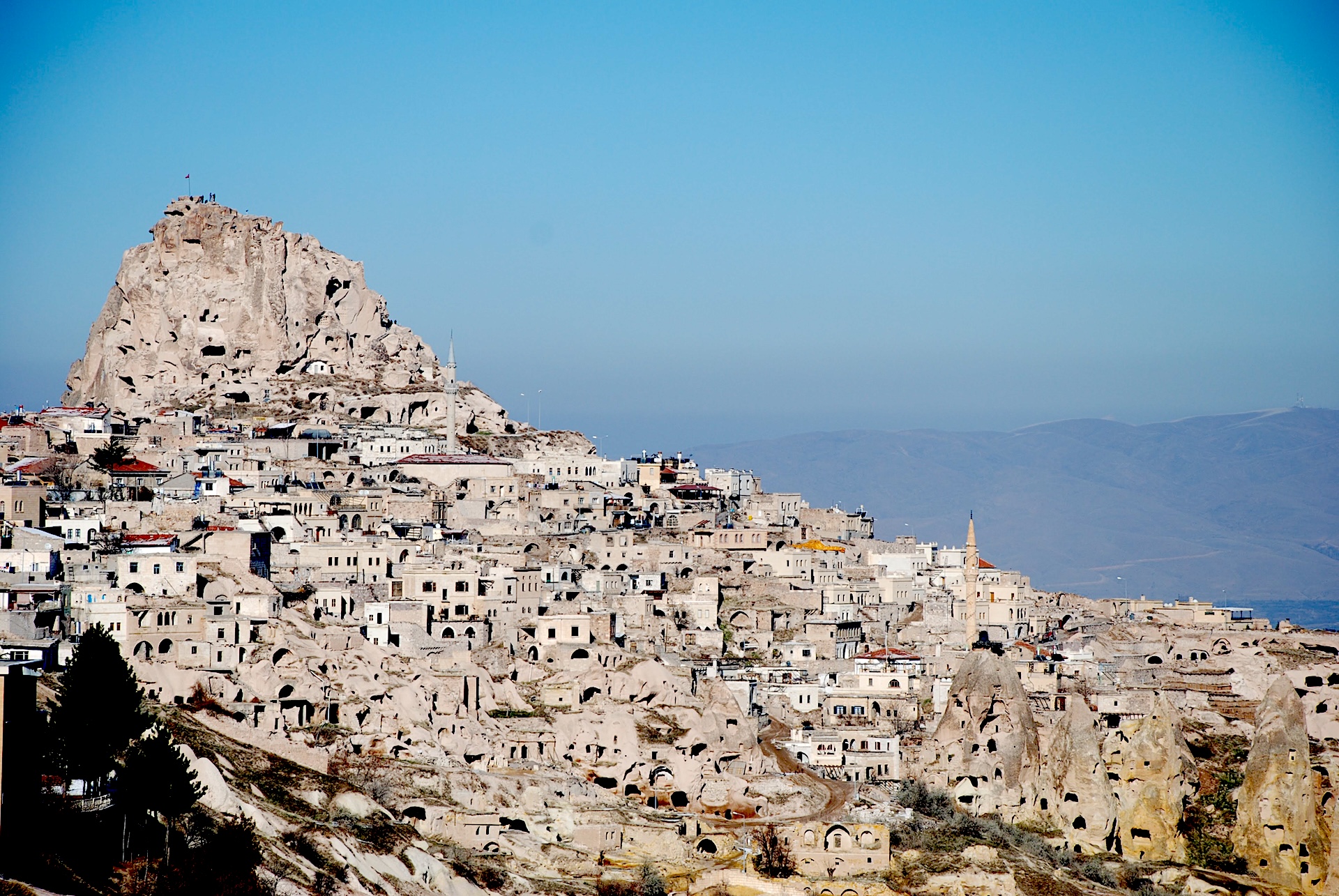
Welcome to Cappadocia, a surreal Turkish landscape sculpted over millennia by wind and rain. This UNESCO World Heritage site is world-renowned for its iconic "fairy chimneys" and ancient troglodyte dwellings carved into volcanic rock. Beyond iconic sunrise hot air balloon rides, you can discover subterranean marvels like the Derinkuyu underground city, which once sheltered 20,000 people. Breathtaking hiking through vibrant canyons like the Red and Rose Valleys completes this truly enchanting and unforgettable experience.
Welcome to Cappadocia

Unique Geography

Fairy Chimneys

Cappadocia is world-renowned for its surreal "fairy chimneys," which are iconic rock formations sculpted over millennia by the natural forces of wind and rain. These structures include the famous mushroom-topped columns that were easily carved into ancient dwellings and churches due to their soft volcanic composition.

Volcanic Origins

This landscape was created by volcanic eruptions during the Upper Miocene-Quaternary age, which deposited thick layers of ignimbrite and tufa. This soft, pyroclastic rock allowed ancient civilizations to excavate massive underground cities, such as Derinkuyu, which extends approximately 85 meters deep into the volcanic terrain.

Beautiful Valleys

The region is home to staggering canyons like the Red Valley, known for its vibrant stone fins that transform at sunset. The Rose Valley features pointed pink rocks, while the lush Ihlara Valley offers a verdant floor where a river drifts between canyon walls carved with ancient, frescoed churches.

Rich History

Ancient Times

The story of Cappadocia began millions of years ago with massive volcanic eruptions that coated the region in thick ash, eventually hardening into soft "tuff" rock. By the Bronze Age, the Hittites recognized the strategic and defensive value of this pliable stone, carving out early storage spaces and dwellings. As a vital stop on the Silk Road, the region became a cultural crossroads. Following the Hittites, the Phrygians and later the Persians exerted influence, with the latter naming the area Katpatuka, often translated as "The Land of Beautiful Horses," a name that persists in spirit today.

Early Christian Era

During the 1st century, Cappadocia became a sanctuary for early Christians fleeing Roman persecution. The region’s soft volcanic rock provided the perfect canvas for survival; believers carved out vast, multi-level underground cities like Derinkuyu and Kaymakli, which could house thousands of people in times of danger. These hidden hubs featured ventilation shafts, wells, and heavy rolling stone doors for defense. Beyond mere survival, this era saw Cappadocia emerge as a major center for Christian thought, led by the Cappadocian Fathers, who helped define early church doctrine while living in these rock-cut retreats.

Byzantine Period

From the 4th to the 13th centuries, Cappadocia entered its "Golden Age" of monastic life. Under Byzantine rule, the landscape was transformed into a spiritual hive of rock-cut monasteries and churches. The Göreme Open Air Museum stands as the crown jewel of this period, showcasing chapels adorned with vibrant frescoes depicting biblical scenes. These artworks, preserved by the stable climate and lack of light, represent some of the best-preserved Byzantine iconography in the world. This era solidified the region’s identity as a place where nature and human spirituality were inextricably linked through architecture.

Modern Era

Following the formation of the Republic of Turkey in 1923, the region saw a significant demographic shift during the population exchange. Many of the ancient rock-cut villages were gradually abandoned as residents moved into modern housing for safety. However, in 1985, Cappadocia was designated a UNESCO World Heritage site, sparking a global tourism boom. Today, the region is a world-class destination known for its "cave hotels" and the iconic hot air balloons that fill the sky at sunrise. It successfully balances its deep historical roots with a vibrant, modern hospitality industry that enchants millions of visitors annually.

Culture & Traditions

Pottery & Handicrafts

Centered in the town of Avanos, Cappadocia’s pottery tradition dates back to the Hittites. Using red clay sourced from the Kızılırmak River, master artisans use ancient kick-wheels to shape functional and decorative ceramics. Visitors can witness this timeless craft and even try molding their own unique clay masterpieces.

Wine Production

With a history spanning 4,000 years, Cappadocia is one of the world’s oldest wine regions. The unique volcanic soil and high-altitude vineyards produce distinct indigenous varieties like Emir and Öküzgözü. Many local wineries still use traditional rock-carved cellars to ferment and age their celebrated, award-winning vintages.

Local Cuisine

Cappadocian cuisine is defined by its agricultural roots and slow-cooking methods. The signature "Testi Kebab" is a savory stew cooked in a sealed clay pot that is cracked open theatrically at the table. Other highlights include handmade manti, sweet grape molasses (pekmez), and hearty stews prepared in tandoors.

Traditional Arts

Beyond pottery, the region is world-renowned for hand-woven carpets and kilims, where intricate patterns tell ancestral stories. The ethereal art of Ebru (water marbling) and delicate stone carving of local onyx further showcase the artistic heritage. These crafts remain vital symbols of Cappadocian identity and creative skill.

Must-See Highlights

Hot Air Balloon Rides

The hot air balloon ride is the definitive symbol of Cappadocia, offering an unparalleled perspective of its "lunar" landscape at sunrise. As hundreds of balloons drift simultaneously over the Güllüdere and Love Valleys, passengers enjoy a bird’s-eye view of the intricate fairy chimneys and ancient cave dwellings carved into the tuff. The silence of the flight, interrupted only by the occasional roar of the burner, creates a surreal atmosphere as the sun paints the volcanic rock in shades of rose and gold. It is a world-class aviation experience that provides the best vantage point to appreciate the vast, eroded geography.

Learn More
Göreme Open Air Museum

A UNESCO World Heritage site since 1985, this complex is essential for understanding the region’s religious and artistic history. This monastic cluster contains dozens of rock-cut churches, chapels, and rectories dating back to the 10th, 11th, and 12th centuries. The interior walls are adorned with remarkably preserved Byzantine frescoes, such as those in the Dark Church and the Buckle Church, depicting vivid biblical scenes. These artworks, protected for centuries from sunlight, offer a rare glimpse into medieval Christian iconography and the daily lives of the monks who once sought spiritual refuge within these hollowed-out stone sanctuaries.

Learn More
Underground Cities

Beneath the surface of Cappadocia lies a labyrinthine world of ancient engineering. Cities like Derinkuyu and Kaymaklı descend many stories into the earth—some up to 85 meters deep—capable of sheltering thousands of people and their livestock during invasions. These subterranean marvels feature complex ventilation shafts, water wells, and communal kitchens. One of the most fascinating defensive features is the massive, millstone-shaped rolling doors used to seal off tunnels from the inside. Exploring these narrow corridors and expansive chambers reveals the incredible ingenuity and resilience of civilizations who carved a hidden world into the volcanic rock.

Learn More

Best Time to Visit

The ideal times to visit Cappadocia are during the shoulder seasons of Spring (April–May) and Autumn (September–October). During these months, the weather is pleasantly mild—typically ranging from 10°C to 25°C (50°F to 77°F)—providing the perfect conditions for hiking through the rose-tinted valleys and exploring open-air museums without the intense heat. Spring brings a burst of wildflowers across the plains, while Autumn offers a golden landscape and local grape harvest festivals.

Summer (June–August) is the peak tourist season. While the clear skies offer the highest reliability for hot air balloon flights, daytime temperatures can soar above 35°C (95°F), and the major sites become quite crowded. Conversely, Winter (November–March) transforms the region into a quiet, snow-dusted fairytale. Though balloon flights are more frequently cancelled due to wind, the sight of snow-capped fairy chimneys is magical, and travelers can enjoy significant discounts on luxury cave suites.

Ready to Explore Cappadocia?

Uncover the wonders of this ancient landscape. Explore our top-rated tours and attractions below, or contact us to plan your perfect getaway to the heart of Cappadocia.